

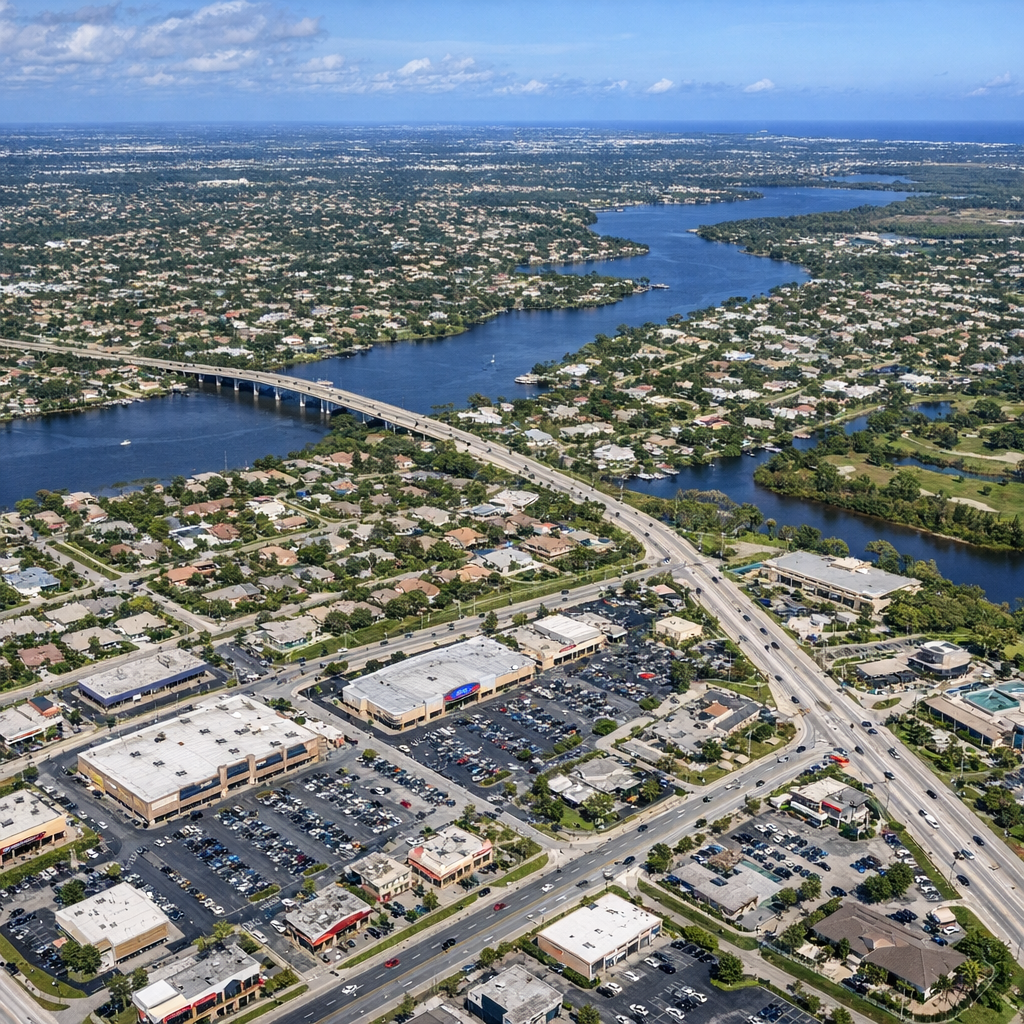
Port St. Lucie, Florida, has experienced notable economic developments in recent years, reflecting both growth and challenges within the local economy.
Job Growth and Employment Trends
In April 2026, the Port St. Lucie metropolitan area added approximately 1,200 jobs, marking a significant increase compared to previous months. This growth is part of a broader trend, with the area averaging about 380 new jobs per month over the past five years. The sectors contributing most to this expansion include healthcare, retail, and construction.
Unemployment Rates
Despite job growth, the region has faced fluctuations in unemployment rates. In January 2026, the Treasure Coast, which includes Port St. Lucie, reported an unemployment rate of 5.7%, up from 4.1% the previous year. This rate was also higher than the statewide average of 4.9%. The labor force saw a decrease of approximately 2,871 individuals over the year, raising concerns about workforce participation and availability.
Economic Development Initiatives
To stimulate economic growth and attract businesses, Port St. Lucie has implemented several initiatives:
- Opportunity Zones: The city is focusing on designating areas, particularly on the eastern side, as “opportunity zones” to encourage investment and redevelopment.
- Southern Grove Jobs Corridor: This 3,605-acre area is being developed to support over 22,500 jobs across various industries, including manufacturing, logistics, and healthcare. The corridor aims to diversify the local economy and reduce reliance on residential development.
- Incentive Programs: The city offers expedited site plan reviews, fast-track permitting, and impact fee mitigation to attract new and expanding businesses. Additionally, the Job Growth Investment Grant provides financial incentives for companies creating new jobs.
Business Environment
Port St. Lucie boasts a diverse and growing population, contributing to a dynamic labor market. The median household income is approximately $61,000, with a median rent of around $1,500, making it an affordable option for many residents. Key industries include healthcare, retail, education, and manufacturing, with emerging growth in technology and finance sectors.
Conclusion
Port St. Lucie’s economic landscape is characterized by both promising growth and challenges. While job creation initiatives and development projects offer opportunities for expansion, addressing unemployment fluctuations and ensuring a robust labor force remain critical for sustained economic health.