

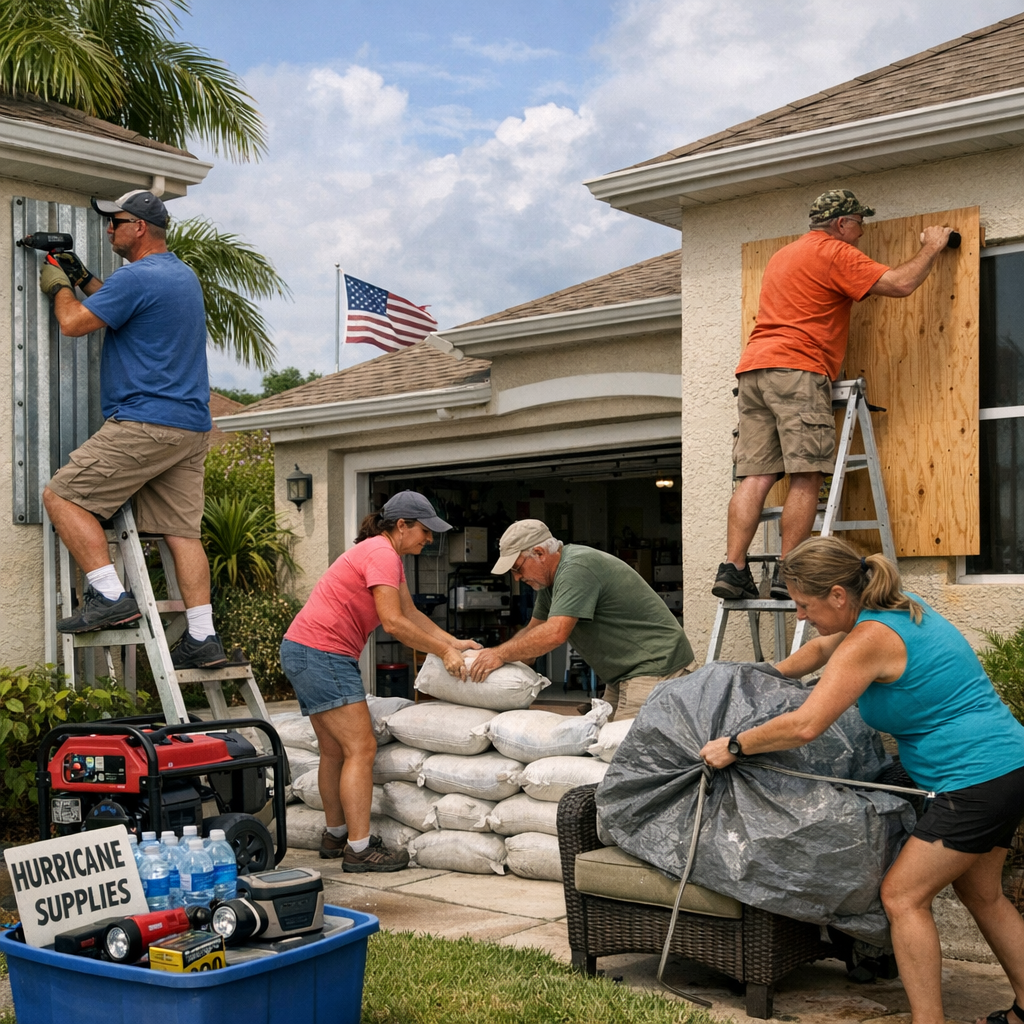
Living in Port St. Lucie means enjoying beautiful coastal views and a warm climate. However, it also requires vigilance during hurricane season, which runs from June 1 to November 30. Proper preparation can significantly reduce risks to you and your property.
Understanding Hurricane Season
The Atlantic hurricane season spans six months, with peak activity from mid-August through mid-October. On average, the Atlantic basin experiences 14 named storms, seven hurricanes, and three major hurricanes each season. Port St. Lucie, situated along Florida’s Treasure Coast, is susceptible to these storms, making preparedness essential.
Developing a Family Emergency Plan
Creating a comprehensive emergency plan is the first step in hurricane preparedness. Discuss the following with your household:
- Communication: Establish how you’ll receive emergency alerts and warnings. Sign up for local notifications to stay informed.
- Evacuation Routes: Identify your evacuation zone and plan multiple routes to safety. Familiarize yourself with local shelters and their locations.
- Meeting Points: Designate a family meeting place in case you’re separated during the storm.
- Special Needs: Consider the specific needs of household members, including medical requirements, dietary restrictions, and pet care.
Assembling an Emergency Supply Kit
A well-stocked emergency kit can be invaluable during and after a hurricane. Ensure your kit includes:
- At least one gallon of water per person per day for at least three days.
- A three-day supply of non-perishable food.
- Battery-powered or hand-crank radio and a NOAA Weather Radio with tone alert.
- Flashlights and extra batteries.
- First aid kit.
- Medications and medical supplies.
- Important documents in a waterproof container.
- Cash, as ATMs and credit card machines may not be operational.
- Personal hygiene items and sanitation supplies.
- Tools and supplies for securing your home.
Securing Your Property
Protecting your home can minimize damage during a hurricane. Consider the following measures:
- Windows and Doors: Install hurricane shutters or board up windows with plywood. Reinforce doors to withstand high winds.
- Landscaping: Trim trees and shrubs to reduce the risk of falling branches. Remove dead or weak trees that could pose a hazard.
- Outdoor Items: Bring in outdoor furniture, decorations, and other items that could become projectiles in high winds.
- Roof and Gutters: Inspect and repair your roof to ensure it’s in good condition. Clean gutters and downspouts to prevent water damage.
Staying Informed
Keep abreast of weather updates and emergency instructions through reliable sources. The City of Port St. Lucie offers resources and updates on hurricane preparedness. Additionally, the St. Lucie County Emergency Preparedness Portal provides valuable information on disaster preparedness.
After the Storm
Once the hurricane has passed, exercise caution when returning to your home. Be aware of potential hazards such as downed power lines, flooding, and structural damage. Follow local authorities’ guidance on when it’s safe to return and begin recovery efforts.
By taking proactive steps and staying informed, Port St. Lucie residents can navigate hurricane season with greater confidence and safety.