

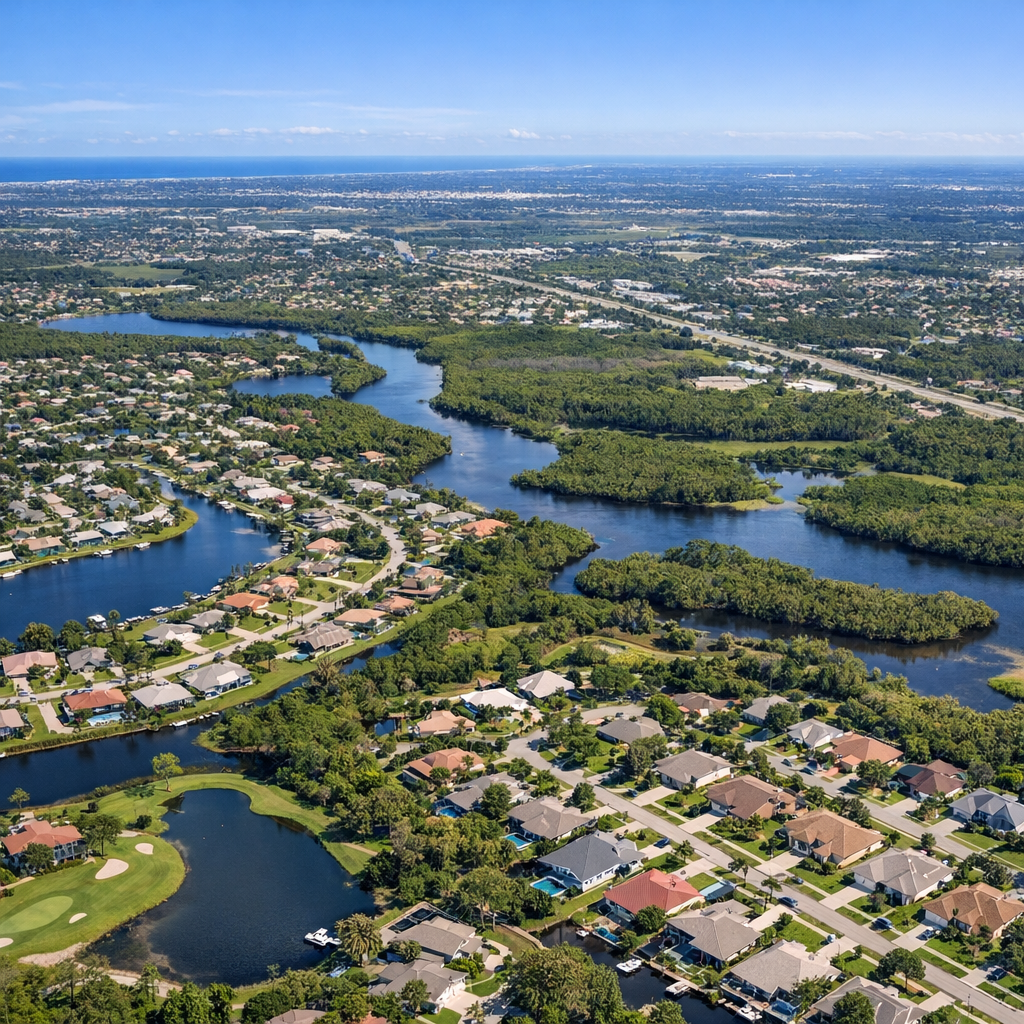
Port St. Lucie, Florida, has long been recognized for its rapid growth and commitment to public safety. Recent developments in these areas not only highlight the city’s progress but also reflect broader national trends.
Population Growth: A National Perspective
Historically, Port St. Lucie has been among the fastest-growing metropolitan areas in the United States. However, recent data indicates a slowdown in this growth. According to a U.S. Census report, the Port St. Lucie metro area, encompassing Martin and St. Lucie counties, experienced a 2.14% population increase last year. This marks the lowest annual growth rate since the post-pandemic boom, which averaged 3% annually. This trend mirrors a nationwide deceleration in population growth, attributed in part to a decline in international migration. Source
Public Safety Initiatives Reflect National Concerns
In the realm of public safety, Port St. Lucie has proactively addressed challenges that resonate on a national scale. The city has been recognized for its low crime rates, ranking second among the Safest Places to Live in the U.S. Source
However, recent incidents have prompted local law enforcement to bolster their efforts. For instance, the Port St. Lucie Police Department has increased its officer-to-citizen ratio in response to community concerns, particularly in rapidly growing areas like Tradition. This initiative aligns with national discussions on the importance of adequate policing in expanding communities. Source
Environmental Challenges and Community Response
Environmental issues, such as algal blooms leading to significant fish kills, have also affected Port St. Lucie. These events have spurred community discussions and actions aimed at addressing environmental sustainability—a concern that echoes across the nation. Source
In summary, Port St. Lucie’s recent experiences in population dynamics, public safety, and environmental challenges serve as a microcosm of broader national trends. The city’s proactive measures and community engagement offer valuable insights into addressing these complex issues on both local and national levels.